
Five Lessons Pivotel Has Learned Supporting Communications Resilience Across Australia
Admin
July 9, 2026
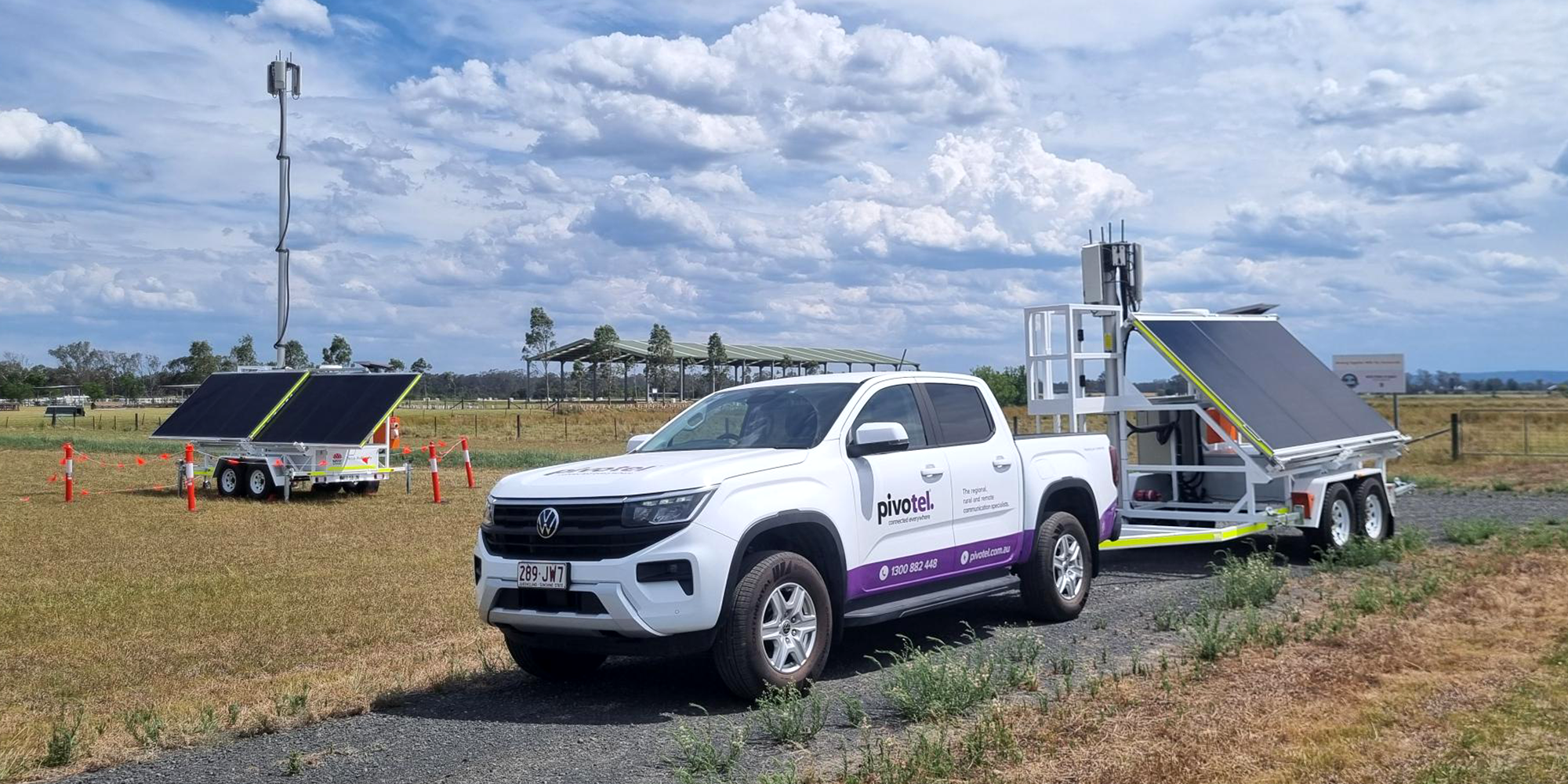
From bushfires, floods and cyclones through to major telecommunications outages, Australia's emergency management environment continues to evolve. As communities become increasingly reliant on digital services and connectivity, maintaining communications during times of disruption has never been more important.
For more than 25 years, Pivotel has worked alongside government agencies, local councils, emergency services and organisations operating in some of Australia's most remote and challenging environments. Through these experiences, several key lessons continue to emerge.
1. Communications resilience starts long before an emergency
The most effective emergency response strategies are built before an incident occurs.
Organisations are increasingly recognising the importance of planning for communications continuity as part of broader resilience and preparedness programs. Whether supporting emergency operations, maintaining critical services or keeping communities informed, access to reliable communications is a fundamental requirement.
When communications become unavailable during a crisis, the impacts can extend well beyond operational inconvenience. Delays in information sharing, reduced situational awareness and challenges coordinating personnel and resources can significantly affect response efforts. Building resilience into communications infrastructure before an event occurs helps organisations maintain continuity when it matters most.
2. Local governments play a critical role in community resilience
Local councils are often at the forefront of disaster preparedness, response and recovery efforts.
Beyond supporting emergency management activities, councils are responsible for maintaining community services, coordinating local resources and helping residents access critical information during times of uncertainty. In many regional and remote communities, local government becomes a central point of coordination and support throughout an emergency.
Reliable communications infrastructure plays an essential role in enabling these outcomes, helping councils maintain connectivity with emergency services, field personnel, community facilities and the people they serve.
3. Hybrid connectivity is becoming essential
No single communications technology can meet every operational requirement or guarantee availability in every situation.
Increasingly, organisations are adopting hybrid communications strategies that combine terrestrial and satellite technologies to improve resilience, coverage and continuity of operations. This approach helps ensure critical communications remain available even when individual networks are impacted by natural disasters, infrastructure failures or power outages.
As dependence on connected systems continues to grow, resilience is no longer simply about coverage. It is about maintaining access to communications when traditional pathways become unavailable.
4. Worker safety remains a key priority
Many of the organisations Pivotel supports have personnel operating in remote, regional and high-risk environments where communications can be limited or unavailable.
From emergency responders and council workers to utility crews, contractors and field teams, maintaining visibility and access to emergency communications remains an important part of protecting people working beyond traditional coverage areas.
Advances in satellite communications, tracking technologies and worker safety solutions have improved the ability of organisations to monitor personnel, respond to incidents and support workers wherever their duties take them. However, awareness and preparedness remain just as important as the technology itself.
5. Strong partnerships deliver stronger outcomes
Effective emergency management relies on collaboration.
The strongest resilience outcomes are often achieved when government agencies, emergency services, industry partners and local communities work together toward a common objective. Communications providers play an important role in supporting these efforts by helping ensure information, resources and people remain connected throughout an event.
Time and again, emergencies demonstrate the value of coordination, shared expertise and trusted partnerships. Building these relationships before they are needed can significantly strengthen an organisation's ability to respond when challenges arise.
Looking Ahead
The conversation around emergency management has evolved significantly in recent years. Today, the focus extends beyond connectivity alone to encompass resilience, preparedness, continuity of operations and community outcomes.
As Australia continues to face increasingly complex challenges, organisations are placing greater emphasis on ensuring communications remain available before, during and after critical events.
Pivotel remains committed to supporting government agencies, emergency services, councils and critical infrastructure operators with the communications capabilities needed to help communities stay connected when it matters most and looks forward to continuing these important conversations at DEMC26.
Please follow and like us:


Tags: